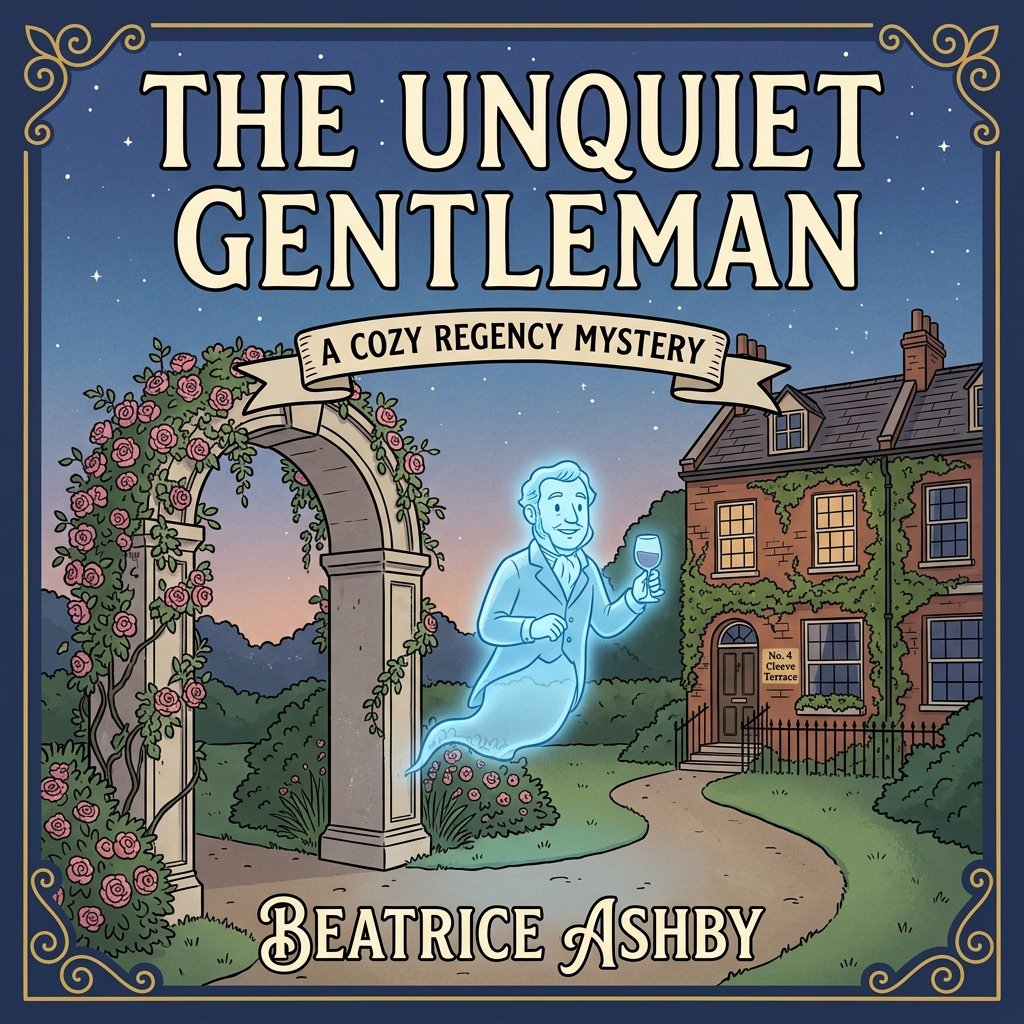

Hetty Crewe makes her living arranging the happiness of other people. So when I built her work basket, I went looking for the small, real objects a marriage-maker of her day would have kept close. Here are a few of them, with a word about the curious trade that gave them their purpose.
A Trade That Rarely Spoke Its Name
We should be honest at the outset: in the England of the early 1800s, matchmaking was seldom a profession with a shingle over the door. The work of steering two suitable young people toward the altar usually fell to mothers, aunts, and the great hostesses of society, who arranged it all under the polite fiction that nobody was arranging anything at all.
In London, the famous patronesses of Almack's held the real power. With a single voucher granted or withheld, they could launch a young lady into the marriage market or quietly end her hopes for a Season. Professional marriage brokers did exist, and had for centuries across a great many cultures, but a respectable woman who made an open trade of it was a rarer and more interesting creature. That is precisely why I made Hetty one. Reduced circumstances, a sharp eye for character, and an uncanny knack for knowing exactly what people want turned a private gift into a genteel living. It also gives her a perfectly good reason to be in every ballroom, drawing room, and house party where, inconveniently, someone is about to be murdered.
The Tools of the Trade
Formal or not, a matchmaker gathered her instruments. These are the keepsakes you might find tucked into such a woman's writing desk and reticule.
- The betrothal ledger. A commonplace book, kept under lock if she was wise, recording families, fortunes, temperaments, debts, rivalries, and which gentleman had been refused by whom. Half the art of the trade lived in those pages.
- Debrett's Peerage and Baronetage. The matchmaker's bible, consulted to confirm a lineage, untangle a title, and quietly establish whether a fortune was as solid as its owner claimed.
- Calling cards and a silver card case. The engraved currency of social access. A card left at the right house, with its corner turned just so, opened a door no introduction could open on its own.
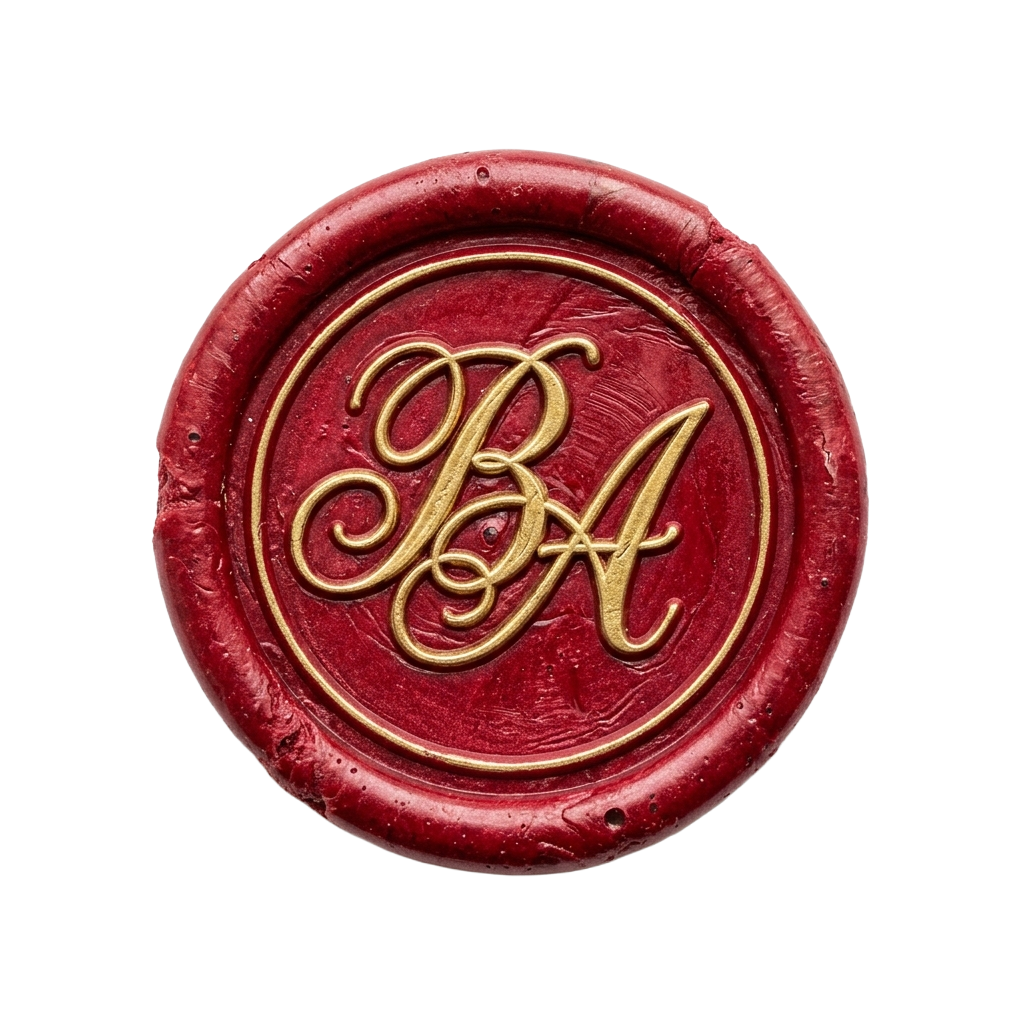
- Letters of introduction, sealing wax, and a seal. An introduction brokered at a distance traveled by letter, closed with a drop of wax and the press of a seal. A matchmaker's correspondence was constant, and her seal was as good as her word.
- Miniature portraits. Small painted likenesses, exchanged so that two people separated by half of England might form an opinion of one another before they ever shared a room.
- The reticule and a vinaigrette. The little drawstring purse, and within it a silver bottle of smelling salts, indispensable in a crowded assembly room and useful, now and then, for a strategically timed swoon.
- A fan and a dance card. The fan carried its own silent language across a ballroom; the dance card, with its tiny attached pencil, was where a clever woman engineered exactly who would partner whom, and for which dance.
- The tea service. Because then, as now, the most delicate negotiations are best conducted over a well-poured cup, where a mother may be soothed, a suitor weighed, and a match all but settled before the pot runs cold.
A matchmaker's true tool, of course, was her understanding of people. Everything above was simply the means of putting it to work. Hetty has one further instrument that no one else in Wexcombe can claim, but that, as ever, is a secret she would much prefer to keep to herself.